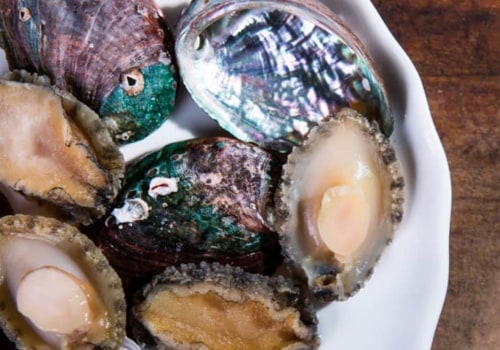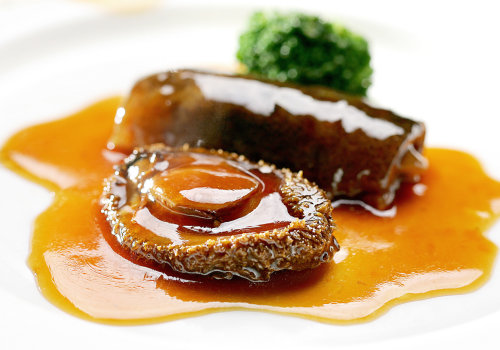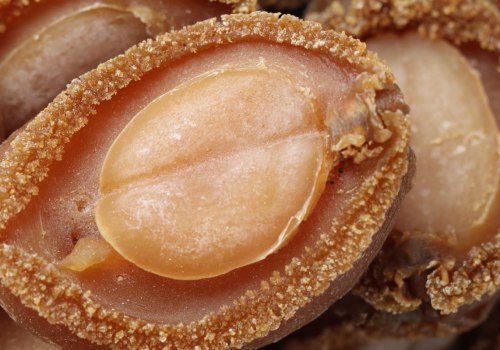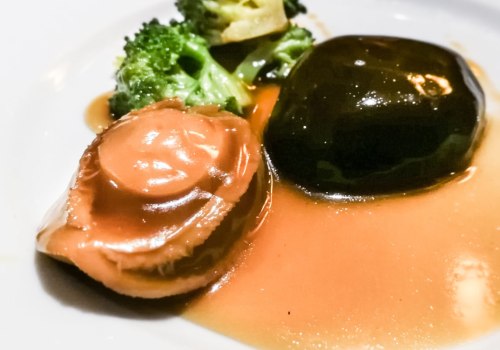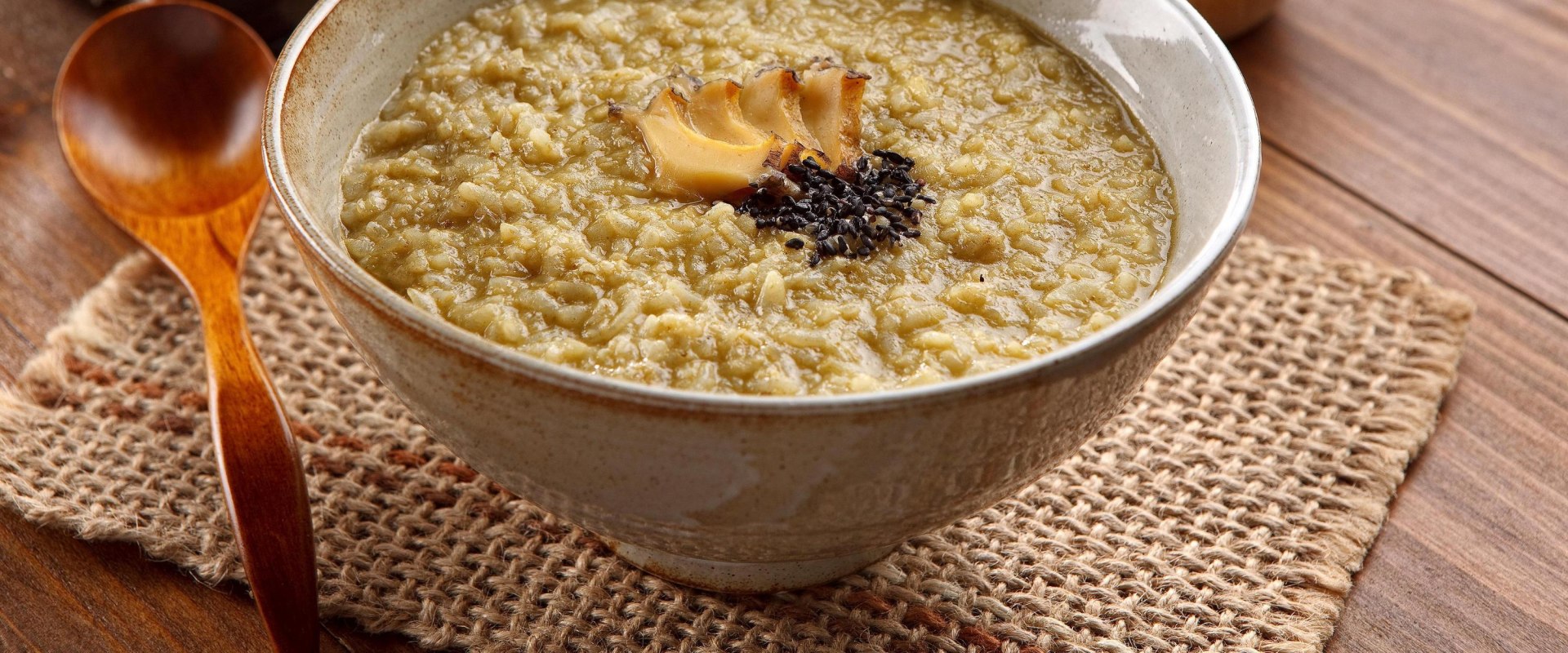
Canned abalone is a unique culinary delight that has gained popularity across various cuisines, particularly in Asian dishes. This delicacy is derived from the abalone, a marine mollusk known for its tender texture and rich flavor. The process of canning Canned abalone is a unique culinary delight that has gained popularity across various cuisines, particularly in Asian dishes. This delicacy is derived from the abalone, a marine mollusk known for its tender texture and rich flavor. The process of canning abalone involves cooking the mollusk to perfection before sealing it in a can, often with brine or sauce, to preserve its taste and nutritional value. This method not only extends the shelf life of canned abalone but also makes it accessible to those who may not have the opportunity to enjoy fresh abalone. One of the key reasons for the rising popularity of canned abalone recipescanned abalone recipes is its convenience.
Unlike fresh abalone, which requires careful preparation and cooking techniques, canned abalone is ready to eat right out of the can. This makes it an excellent option for busy individuals or families looking to incorporate gourmet flavors into their meals without extensive cooking time. Additionally, canned abalone can be easily added to a variety of dishes, enhancing soups, stir-fries, and salads with its distinctive taste.Beyond its culinary appeal, canned abalone offers several health benefits. It is a source of essential nutrients, including omega-3 fatty acids, which are known for their heart-healthy properties.
Furthermore, abalone is rich in vitamins and minerals such as vitamin B12, iron, and selenium, contributing to overall well-being. However, it is important to note that canned varieties often contain added salt or preservatives, so moderation is key when incorporating them into your diet.In summary, canned abalone stands out as a versatile ingredient that combines convenience with nutritional benefits. Its unique flavor profile and ease of use make it a favored choice among chefs and home cooks alike. As we delve deeper into the culinary uses and health aspects of this delicacy, understanding its origins and processing will enhance our appreciation for this remarkable seafood.
Nutritional Profile of Canned Abalone
Canned abalone is not only a delicacy but also a powerhouse of nutrition.Understanding its nutritional value can help you appreciate its role in a balanced diet. This seafood is rich in essential vitamins and minerals that contribute to overall health.One of the standout features of canned abalone is its high protein content. A typical serving can provide around 20 grams of protein, making it an excellent choice for those looking to increase their protein intake without excessive calories. Protein is vital for muscle repair, immune function, and overall bodily maintenance.In addition to protein, canned abalone is a good source of several key vitamins and minerals:
- Vitamin B12: Essential for nerve function and the production of DNA and red blood cells, vitamin B12 is abundant in abalone.
A single serving can meet a significant portion of your daily requirement.
- Iron: Canned abalone contains iron, which is crucial for transporting oxygen in the blood. This mineral helps prevent anemia and supports energy levels.
- Zinc: Important for immune function and wound healing, zinc found in abalone can help bolster your body's defenses against illness.
- Omega-3 Fatty Acids: Canned abalone is also a source of omega-3 fatty acids, which are known for their heart health benefits. These healthy fats can help reduce inflammation and lower the risk of chronic diseases.
Furthermore, the presence of antioxidants in abalone can help combat oxidative stress in the body.However, it’s important to consume canned abalone in moderation due to its sodium content, especially if it’s packed in brine or sauce. While it offers numerous health benefits, balancing your intake with other low-sodium foods can help maintain optimal health.In summary, canned abalone is not just a gourmet treat; it’s also a nutritious addition to your diet. With its rich protein content, essential vitamins, and beneficial omega-3 fatty acids, it provides various health benefits that make it worth considering as part of a balanced meal plan.
Is Cooking Canned Abalone Necessary?
When it comes to canned abalone, many people wonder if further cooking is necessary or beneficial. The truth is, canned abalone is typically pre-cooked during the canning process, which means it is safe to eat straight from the can.However, the decision to cook it further often depends on personal preference and the intended use in a dish.One of the primary reasons for cooking canned abalone is to enhance its flavor and texture. While it is perfectly edible as is, gently heating it can bring out its natural umami taste and make it more palatable in certain recipes. For instance, if you plan to incorporate canned abalone into a soup or stir-fry, a brief cooking period can help meld its flavors with other ingredients.Moreover, cooking canned abalone can also improve its texture. Although canned varieties are tender, some may find that a quick sauté or simmer can make them even more enjoyable.
This is particularly true when combined with sauces or spices that complement the abalone's unique flavor profile.However, it's essential to be cautious about how you cook canned abalone. Overcooking can lead to a loss of its delicate texture and flavor. Ideally, you should aim for a gentle heat and a short cooking time—just enough to warm it through without compromising its quality.Another consideration is the sodium content in canned abalone. Many brands pack their products in brine or sauce, which can be high in salt.
If you choose to cook it further, be mindful of this when seasoning your dish. It’s advisable to taste before adding additional salt or salty ingredients.In summary, while cooking canned abalone is not strictly necessary due to its pre-cooked nature, doing so can enhance its flavor and texture in various dishes. Whether you choose to enjoy it straight from the can or incorporate it into your culinary creations, understanding how to handle this delicacy will ensure a delightful dining experience.
How to Prepare Canned Abalone
Preparing canned abalone can be a delightful experience, as it allows you to enjoy this gourmet delicacy with minimal effort. Here are some practical tips and methods to help you incorporate canned abalone into your meals effectively.Basic Preparation Steps
Before diving into recipes, it’s essential to understand how to prepare canned abalone properly:- Open the Can: Use a can opener to carefully remove the lid.
Be cautious of sharp edges.
- Drain the Liquid: Pour out the brine or sauce, depending on your recipe. This liquid can be saved for later use in soups or sauces.
- Rinse (Optional): If you prefer a milder flavor, rinse the abalone under cold water to remove excess salt.
- Slice: For better texture and presentation, slice the abalone into thin pieces. This will help it absorb flavors from other ingredients.
Cooking Methods
Canned abalone is versatile and can be prepared using various cooking methods:- Sautéing: Heat a tablespoon of oil in a pan over medium heat. Add sliced abalone and sauté for 2-3 minutes until warmed through.
You can add garlic, ginger, or vegetables for added flavor.
- Stir-Frying: Incorporate canned abalone into stir-fries. Add it towards the end of cooking to maintain its tender texture. Pair it with vegetables like bell peppers and broccoli for a colorful dish.
- Soups and Stews: Canned abalone can enhance the flavor of soups. Simply add it to your broth during the last few minutes of cooking to warm it up without losing its delicate taste.
Delicious Recipes
Here are a couple of simple recipes that highlight the unique flavor of canned abalone:- Canned Abalone Stir-Fry:
- Ingredients: 1 can of abalone, 2 cups mixed vegetables (like bell peppers and snap peas), 2 tablespoons soy sauce, 1 tablespoon sesame oil.
- Instructions: Heat sesame oil in a pan, add vegetables and stir-fry for 3-4 minutes.
Add sliced abalone and soy sauce, cooking for an additional 2 minutes.
- Abalone Soup:
- Ingredients: 1 can of abalone, 4 cups chicken or vegetable broth, 1 cup mushrooms, green onions for garnish.
- Instructions: Bring broth to a boil, add mushrooms and simmer for 5 minutes. Stir in sliced abalone and heat through before serving. Garnish with green onions.
Health Considerations When Eating Canned Abalone
When considering the consumption of canned abalone, it is essential to be aware of certain health implications, particularly regarding its sodium and cholesterol content.While this delicacy can be a nutritious addition to your diet, moderation is key to enjoying its benefits without compromising your health.
Sodium Content in Canned Abalone
Canned abalone is often preserved in brine, which significantly increases its sodium levels. A typical serving can contain anywhere from 300 to 800 milligrams of sodium, depending on the brand and preparation method. High sodium intake is linked to various health issues, including:- Hypertension: Excessive sodium can lead to elevated blood pressure, increasing the risk of heart disease and stroke.
- Kidney Strain: High sodium levels can put additional stress on the kidneys, potentially leading to kidney disease over time.
- Fluid Retention: Consuming too much sodium can cause the body to retain water, leading to swelling and discomfort.
Cholesterol Levels in Canned Abalone
Another health consideration is the cholesterol content found in canned abalone. A standard serving may contain around 40 to 60 milligrams of cholesterol.While dietary cholesterol does not impact blood cholesterol levels as significantly as once thought, it is still important for individuals with specific health conditions, such as:
- Heart Disease: Those with a history of heart disease should be cautious about their cholesterol intake.
- Hyperlipidemia: Individuals with high levels of lipids in their blood should monitor their consumption of high-cholesterol foods.
Canned Abalone vs. Fresh Abalone: A Comparison
When it comes to enjoying abalone, the choice between canned abalone and fresh abalone can significantly impact your culinary experience.Each option has its unique characteristics, advantages, and disadvantages that cater to different preferences and cooking styles.
Taste and Texture
- Canned Abalone: The flavor of canned abalone is often milder compared to its fresh counterpart. This is primarily due to the preservation process, which typically involves brining or stewing in sauce. The texture is tender but can sometimes be slightly softer than fresh abalone, as the canning process may alter its firmness.
- Fresh Abalone: Fresh abalone boasts a more robust and complex flavor profile, often described as sweet and briny. The texture is firmer and chewier, providing a satisfying bite that many seafood lovers appreciate.
When prepared correctly, fresh abalone can deliver a delightful culinary experience that highlights its natural flavors.
Preparation Methods
- Canned Abalone: One of the significant advantages of canned abalone is its convenience. It is pre-cooked and ready to eat straight from the can, making it an excellent option for quick meals. You can simply warm it up or add it to dishes like soups or stir-fries without extensive preparation.
- Fresh Abalone: Cooking fresh abalone requires more attention and skill. It can be grilled, sautéed, or steamed, but it’s essential to avoid overcooking, as this can lead to a rubbery texture.
Fresh abalone often benefits from simple seasoning that enhances its natural taste without overpowering it.
Nutritional Value
- Canned Abalone: While canned abalone retains many nutrients, it may contain added sodium due to the brining process. This can be a concern for those monitoring their salt intake. However, it still provides essential nutrients such as protein and omega-3 fatty acids.
- Fresh Abalone: Fresh abalone is generally considered more nutritious as it contains fewer preservatives and additives. It is rich in vitamins and minerals, including vitamin B12, iron, and zinc, making it a healthy choice for seafood enthusiasts.
Canned abalone offers convenience and ease of use, while fresh abalone provides superior taste and texture along with higher nutritional value. Your choice will ultimately depend on your cooking needs, time constraints, and personal preferences.
Frequently Asked Questions about Canned Abalone
When it comes to canned abalone, many people have questions about its preparation, storage, and overall health benefits. Here are some frequently asked questions that can help clarify any uncertainties you may have.How should I store canned abalone?
Canned abalone should be stored in a cool, dry place, away from direct sunlight. Once opened, any unused portion should be transferred to an airtight container and refrigerated.It is best consumed within 3 to 4 days after opening to ensure optimal freshness and flavor.
What is the shelf life of canned abalone?
The shelf life of unopened canned abalone can vary depending on the brand and packaging, but it typically lasts for 3 to 5 years when stored properly. Always check the expiration date on the can before consumption. If the can is bulging, leaking, or rusted, it’s best to discard it.Can I eat canned abalone straight from the can?
Yes, you can enjoy canned abalone straight from the can since it is pre-cooked during the canning process. However, for enhanced flavor and texture, consider warming it gently or incorporating it into your favorite dishes.What are some best practices for cooking with canned abalone?
- Rinse before use: If your canned abalone is packed in brine or sauce, rinsing it under cold water can help reduce excess sodium.
- Slice thinly: For better texture and flavor absorption, slice the abalone into thin pieces before adding it to your recipes.
- Add at the end: To preserve its delicate texture, add canned abalone towards the end of cooking your dish.
- Pair wisely: Canned abalone pairs well with light sauces, vegetables, and grains that complement its unique flavor without overpowering it.
Is canned abalone healthy?
Canned abalone is a nutritious option as it is rich in protein and contains essential nutrients like omega-3 fatty acids.However, due to its sodium content from brine or sauces, moderation is key. It’s advisable to balance your diet with other low-sodium foods when consuming canned abalone regularly.If you have more questions about using canned abalone in your cooking or its health benefits, feel free to explore further or consult culinary resources for additional insights!
Conclusion: Enjoying Canned Abalone Responsibly
In conclusion, enjoying canned abalone can be a delightful experience, provided it is done with an understanding of its preparation and health implications. This delicacy, often regarded as a gourmet treat, offers convenience and flavor without the need for extensive cooking. However, it is essential to approach its consumption responsibly.As discussed, canned abalone is typically pre-cooked and ready to eat, which means that further cooking may not only be unnecessary but could also compromise its delicate texture and flavor.The gentle heating of canned abalone can enhance its taste when incorporated into various dishes, but care should be taken to avoid overcooking.When using canned abalone, it is crucial to consider the sodium content, especially if the abalone is packed in brine or sauce. Moderation is key; while abalone is rich in nutrients such as omega-3 fatty acids and essential vitamins, excessive sodium intake can lead to health issues. Therefore, balancing your diet with other low-sodium foods can help mitigate these concerns.Moreover, the unique flavor profile of canned abalone makes it a versatile ingredient in many culinary applications. From soups to stir-fries, it can elevate a dish while providing a taste of the ocean.
However, always remember to taste your dish before adding additional salt or seasoning.Ultimately, enjoying canned abalone should be about savoring its rich flavors and nutritional benefits while being mindful of how it fits into your overall diet. By understanding how to prepare and incorporate this delicacy into your meals responsibly, you can enjoy all that canned abalone has to offer without compromising your health.